Innovative Engineering Solutions That Actually Work

Why Innovative Engineering Solutions Matter in Modern Manufacturing
Innovative engineering solutions are reshaping how manufacturers design, prototype, and produce parts — faster, lighter, and with less waste than ever before.
Quick Answer: Top Innovative Engineering Solutions in 2026
| Solution | Key Benefit | Example Application |
|---|---|---|
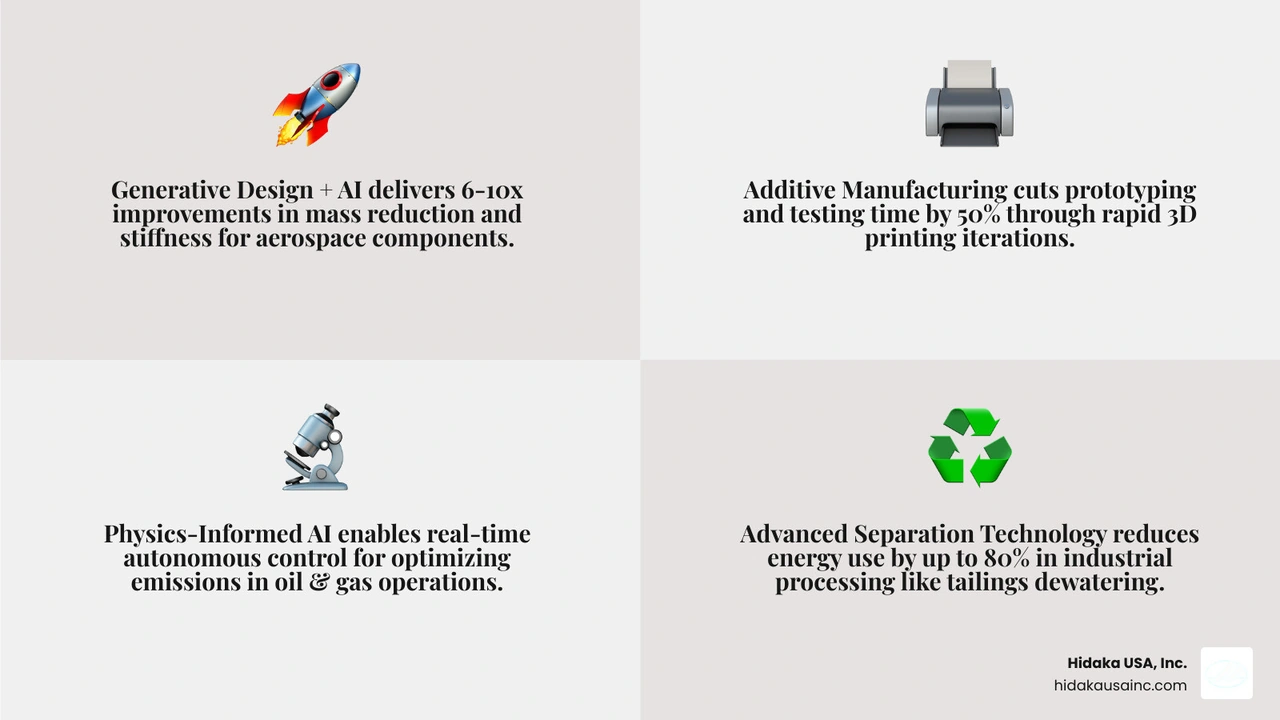
| Generative Design + AI | 6-10x improvement in mass and stiffness | NASA aerospace components |
| Additive Manufacturing (3D Printing) | 50% faster testing and prototyping | Industrial modal hammer redesign |
| Physics-Informed AI Platforms | Real-time autonomous control | Oil & gas emissions optimization |
| Advanced Separation Technology | Up to 80% less energy in processing | Mining tailings dewatering |
| Emissions Capture Systems | 99% diesel particulate removal | Maritime exhaust control |
| Precision CNC Machining | CAD to finished part in 36 hours | Rapid aerospace prototyping |
Today's manufacturers face constant pressure: tighter deadlines, stricter tolerances, rising sustainability demands, and the need to move from design to production without costly delays. Meeting these challenges requires more than incremental improvements — it requires a fundamental rethink of how parts are designed and made.
In May 2026, the convergence of AI-driven design, advanced additive manufacturing, and precision fabrication has created a new standard for what engineering teams can achieve. Whether the goal is reducing the weight of a flight component, cutting emissions from a vessel exhaust system, or getting a prototype from CAD to a finished part in under two days, the right engineering approach makes all the difference.
I'm Yoshihiro Hidaka, founder of Hidaka USA, Inc., and after more than three decades leading a precision sheet metal fabrication and prototyping company serving the automotive industry, I have seen how innovative engineering solutions separate manufacturers who thrive from those who fall behind. In the sections below, I'll walk through the technologies, real-world case studies, and practical steps that define the cutting edge of engineering today.
Innovative engineering solutions word guide:
The Evolution of Modern Engineering
The landscape of engineering has shifted from manual calculations and trial-and-error prototyping to a highly integrated, digital-first ecosystem. As we move through May 2026, the term "engineering" no longer just refers to the physical act of building; it encompasses a complex web of data, physics, and automated intelligence.
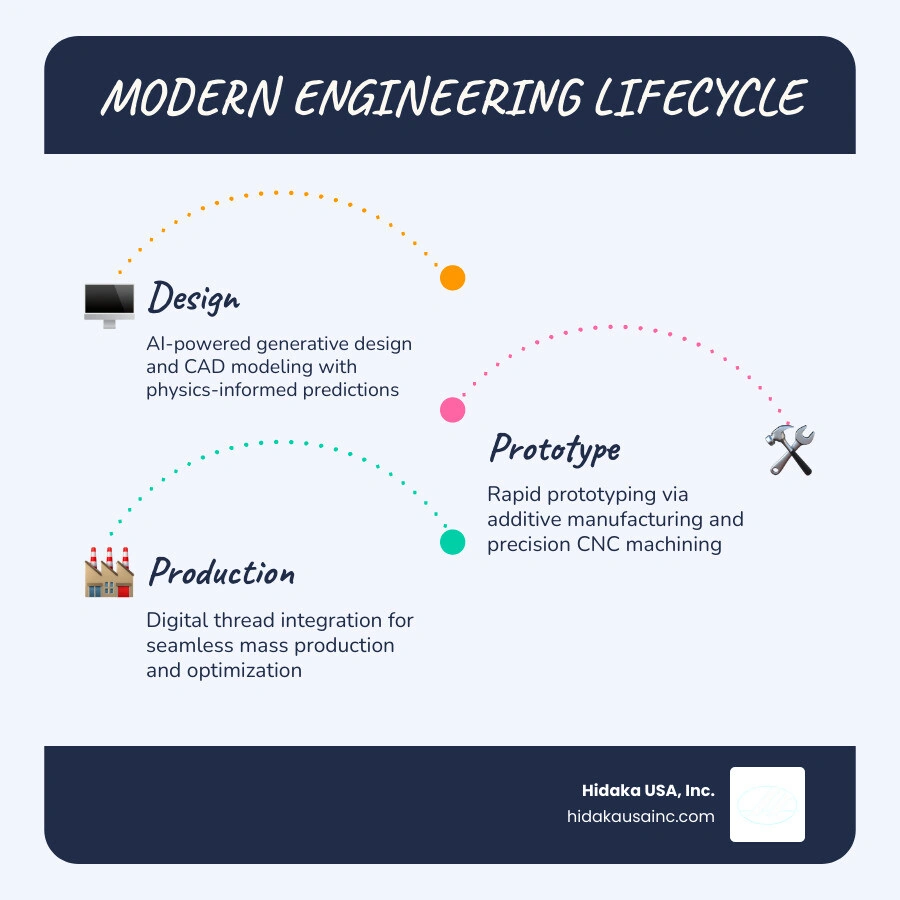
In the past, a design might sit on a drafting board for weeks before a physical prototype was even attempted. Today, the "digital thread" connects the initial concept directly to the manufacturing floor. This evolution is driven by three main pillars:
- Engineering AI: We are seeing AI move beyond simple chatbots and into "Foundational Models" for industrial enterprises. These models don't just guess; they understand the laws of physics to predict how a part will perform under stress.
- Sustainability: Innovation is now synonymous with efficiency. Whether it is reducing the mass of an automotive bracket to save fuel or implementing closed-loop water systems in a plant, the most innovative engineering solutions are those that do more with less.
- Rapid Prototyping: The gap between "what if" and "here it is" has shrunk to hours. With advanced prototype machining, we can now see a physical part in our hands before the coffee from the design meeting has even gone cold.
Core Technologies Driving Innovative Engineering Solutions
To understand where we are going, we have to look at the tools getting us there. The most significant breakthroughs aren't just faster versions of old machines; they are entirely new ways of manipulating matter and data.
Generative Engineering and AI Optimization
Generative design is essentially a partnership between human intent and machine logic. Instead of an engineer drawing every line, they input "constraints"—such as "this part must hold 500 lbs, weigh less than 2 lbs, and fit within this 5-inch box." The AI then generates thousands of iterations, often arriving at organic, "bony" shapes that a human designer would never think of.
Modern platforms now use "Physics-Informed AI." This means the system understands fluid dynamics, heat transfer, and structural integrity. It allows for "Uncertainty Quantification," which is a fancy way of saying the AI can tell you exactly how sure it is that a part won't break. This is critical for high precision metal assemblies where failure isn't an option.
Advanced Additive Manufacturing and 3D Printing
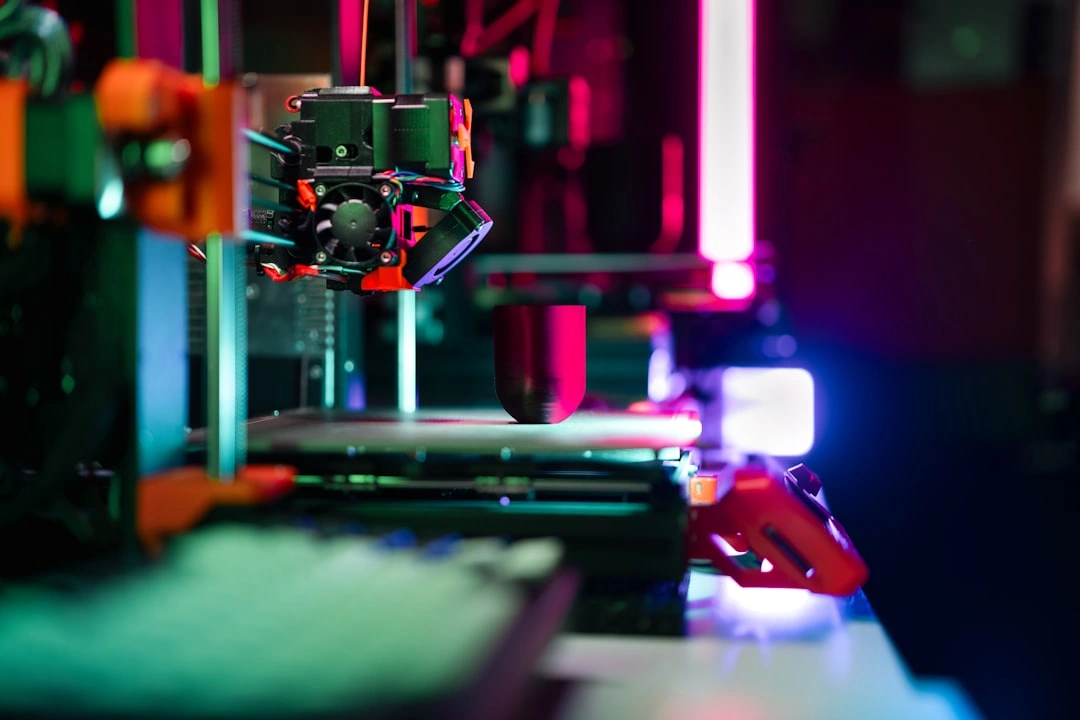
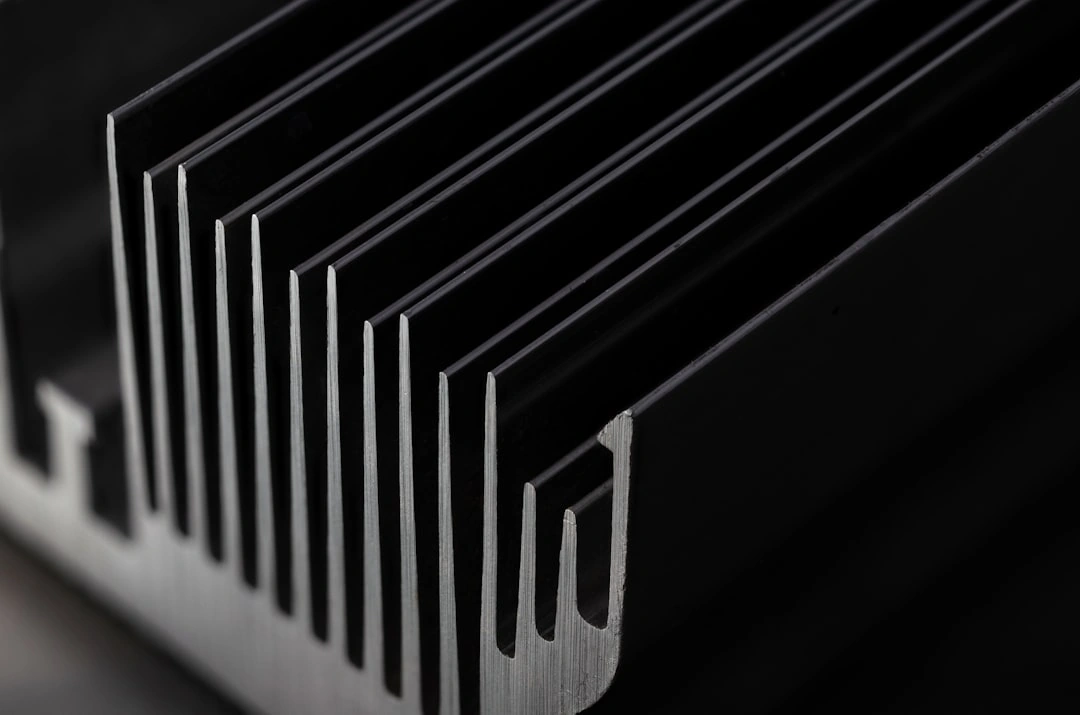
3D printing has grown up. It is no longer just for plastic trinkets; it is a vital part of industrial production. Technologies like Multi Jet Fusion (MJF) and Direct Metal Laser Sintering (DMLS) allow us to create complex internal geometries—like cooling channels inside a solid block of aluminum—that are impossible to make with traditional drills or mills.
For example, using Aluminum 6061 in additive manufacturing provides an incredible strength-to-weight ratio, which is why it's a staple in our work for the automotive and aerospace sectors. When you combine 3D printing with rapid prototyping cnc machining, you get a hybrid approach: the speed and complexity of printing with the tight tolerances and surface finish of machining.
Real-World Applications of High-Impact Engineering
Theory is great, but in our shop in Dublin, Ohio, we care about what works on the factory floor. Innovative engineering solutions are currently solving some of the world's "unsolvable" problems in real-time.
| Feature | Traditional Engineering | Innovative Engineering (2026) |
|---|---|---|
| Design Logic | Human-led, iterative | Generative, constraint-based |
| Material Usage | Subtractive (lots of waste) | Optimized (additive or precision-cut) |
| Development Time | Weeks to months | Hours to days |
| Performance | Standard safety margins | Optimized mass-to-stiffness ratios |
Sustainable Industrial and Clean-Tech Separations
One of the most exciting areas of innovation is in "clean-tech." In industries like mining and large-scale manufacturing, managing waste (tailings) and water is a massive challenge. New separation platforms, such as the HELSS™ technology, are reducing the energy needed for water recovery by up to 80%. This isn't just good for the planet; it cuts lifecycle costs by 50–70%.
In our own backyard, we apply these principles to sheet metal fabrication by optimizing nesting patterns to reduce scrap metal and implementing energy-efficient 3D laser cutting. This focus on "water circularity" and energy efficiency is a hallmark of precision sheet metal prototyping.
High-Precision Marine and Infrastructure Engineering
Innovation even extends to the bottom of the ocean. Engineers are now using remote-controlled ballasting systems to install massive structures, like offshore wind foundations or tunnel elements, without the need for expensive floating cranes. By using "External Positioning Systems" (EPS), 60,000-ton structures can be placed with an accuracy of 5-10 centimeters.
These projects often require high precision stamping services for the internal valves and manifolds that manage water flow at incredible pressures. It’s a perfect example of how "big" engineering relies on "small" precision parts.
Case Studies: Aerospace and Industrial Breakthroughs
Let’s look at two specific examples where these technologies moved from the lab to the real world.
Aerospace Applications of Innovative Engineering Solutions
NASA recently put generative design to the ultimate test. They needed a part for the Artemis mission that could survive the extreme temperatures of the moon (-193°C to -48°C) while being as light as possible. Every kilogram launched into space costs about $1 million, so weight is everything.
By using generative design and a "digital thread," the team moved from a CAD file to a finished, flight-ready part in just 36 hours. The result was a 6-10x improvement in mass and stiffness compared to traditional designs. This kind of speed is only possible when you integrate 3D laser prototype services with advanced AI modeling.
Industrial Testing: 3D-Printed Modal Hammer Case Study
In power plants, engineers use "modal hammers" to strike turbines and measure vibrations to predict failures. Traditional hammers were often too bulky to fit into the cramped spaces of a combustion turbine.
An innovative team re-engineered the hammer using Multi Jet Fusion (MJF) 3D printing. By creating a custom, ergonomic shape that could only be produced via additive manufacturing, they reduced testing time by 50%. This is the essence of 2D laser cutting services and prototype sheet metal fabrication—taking a standard tool and making it work better for a specific, difficult job.
Frequently Asked Questions about Engineering Innovation
How does generative design improve manufacturing efficiency?
Generative design doesn't just make parts look cool; it makes them work better. By focusing on the "rational" needs of a part (where the stress is, where the bolts go), it removes unnecessary material. This leads to:
- Significant weight reduction (critical for the automotive and rail industries).
- Simplified toolpaths for 2D laser cutting services.
- Parts that are "born" production-ready, reducing the need for multiple redesign cycles.
What are the measurable impacts of AI in engineering?
The impacts are quantifiable and impressive. For example, STAX Engineering’s AI-driven capture systems can remove 99% of diesel particulate matter and 95% of nitrogen oxide from vessel exhaust. In a manufacturing setting, AI allows for real-time decisions—adjusting a laser cutter's speed or a press's pressure in milliseconds to account for tiny variations in the metal. This leads to higher yields and lower costs, which we see every day in our high precision stamping services.
How can businesses adopt these innovative engineering solutions today?
You don't have to be NASA to use these tools. Most businesses start with:
- Pilot Testing: Take one "problem part" and try a generative redesign.
- Digital Integration: Move away from paper drawings and toward a unified CAD/CAM digital thread.
- Partnering: Work with a certified manufacturer who already has the 3D lasers, hydraulic presses, and engineering expertise. For those in the Ohio region, precision sheet metal prototyping is a great entry point into modern manufacturing.
Conclusion: Partnering for Future Success
At Hidaka USA, Inc., we’ve spent the last 35 years evolving alongside these technologies. From our 95,000-square-foot facility in Dublin, Ohio, we provide the "boots on the ground" needed to turn innovative engineering solutions into physical reality.
Whether you are in the automotive, mass-transit railcar, or motorsports industry, the goal remains the same: high-quality, American-made products that meet the strictest quality control standards. With our ISO 9001 and AWS certifications, we ensure that every 2D/3D laser cut, every weld, and every high precision metal assembly is built for the challenges of 2026 and beyond.
Innovation isn't just a buzzword; it's a commitment to doing things better, faster, and more sustainably. If you're ready to see how these solutions can work for your next project, we're here to help.