Developing the Next Generation of Motorsports Prototypes in Ohio

Why Automotive Prototype Laser Cutting Is the New Standard for Motorsports Fabrication
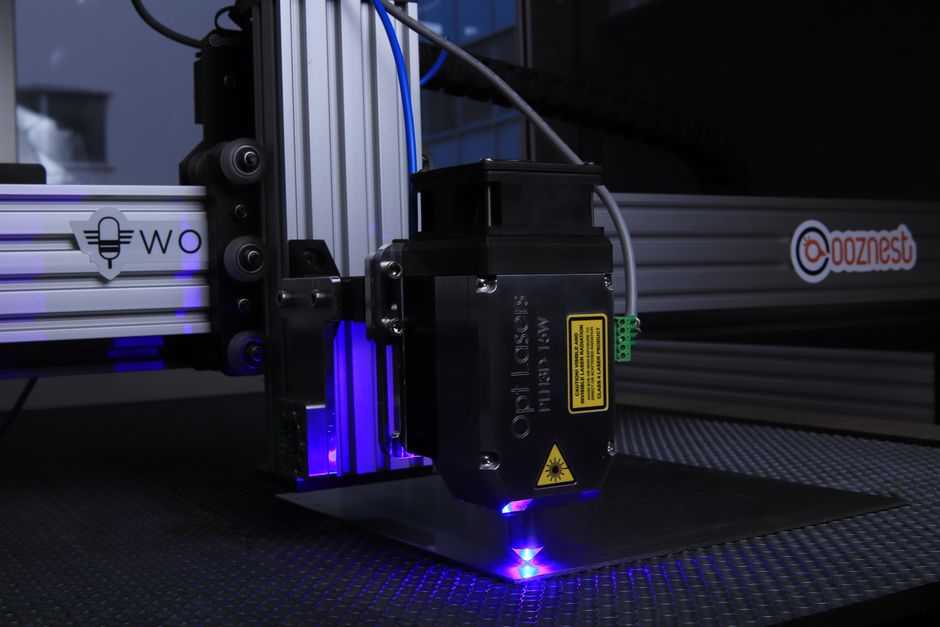
Automotive prototype laser cutting is a CNC-controlled process that uses a focused beam of light to cut, notch, and shape metal parts for vehicle prototypes — with tolerances as tight as ±0.002 inches and no hard tooling required.
Here is what you need to know at a glance:
| Feature | What It Means for You |
|---|---|
| Precision | Tolerances of ±0.002" to ±0.004" — tighter than stamping or plasma |
| Speed | Up to 30x faster than traditional sawing; first samples in under 2 hours |
| No tooling | Design changes made in CAD, not on a die — saves time and cost |
| Materials | Cuts steel, aluminum, Chromoly, stainless, and more |
| Applications | Chassis, roll cages, body panels, brackets, EV battery enclosures |
| Lead times | Parts can ship within days of design approval |
Automotive manufacturers today face relentless pressure — tight deadlines, sub-millimeter accuracy requirements, and the constant need to iterate designs without blowing the budget. Traditional methods like stamping and plasma cutting often require expensive tooling changes for every design revision. Laser cutting removes that barrier entirely.
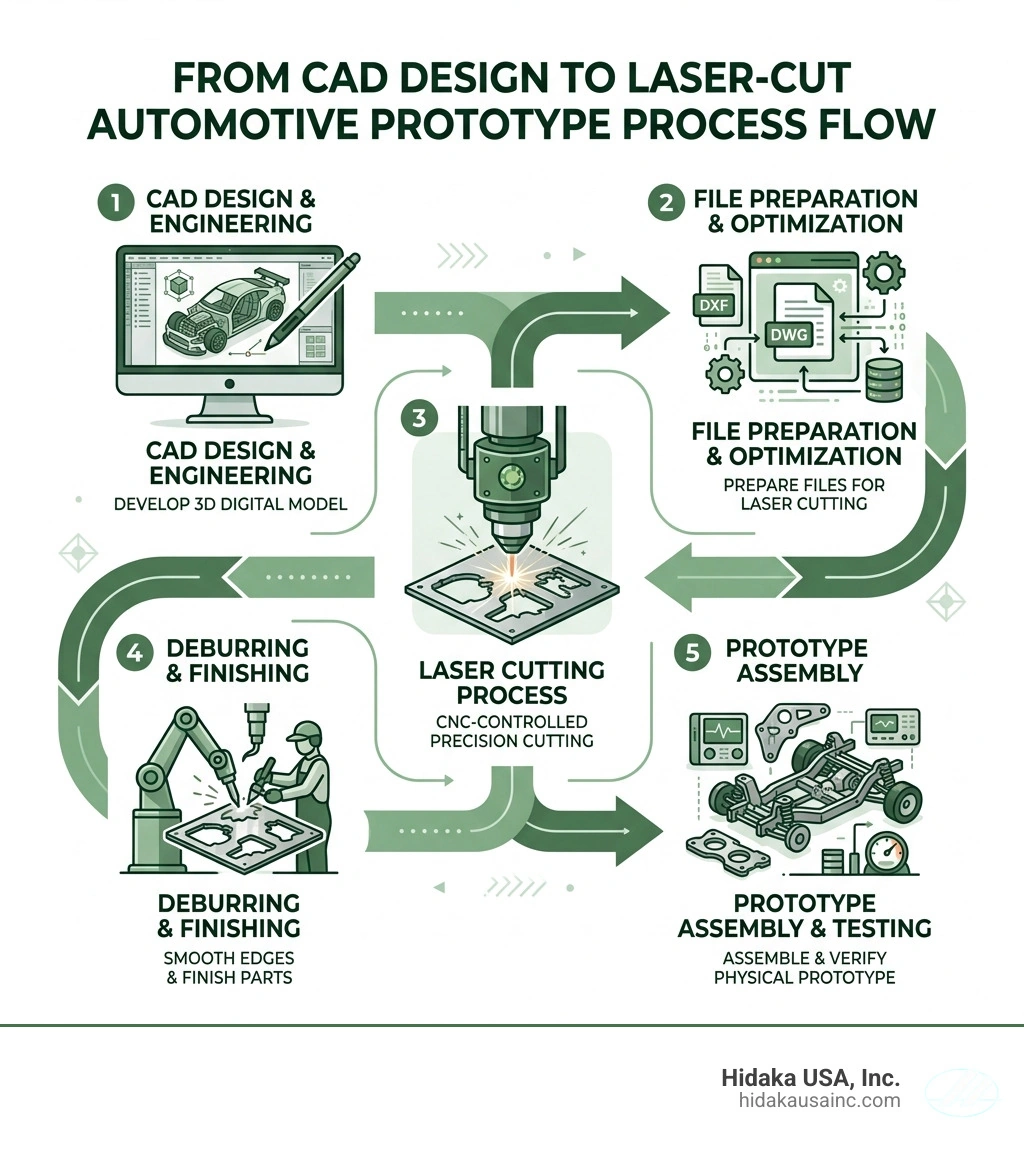
The result is a faster, more flexible path from a CAD file to a physical prototype that is ready for functional testing.
This matters especially in motorsports, where small geometry changes can affect torsional rigidity, crash energy absorption, and overall vehicle performance. Getting a part right — quickly — is not just a competitive advantage. It is a safety requirement.
I'm Yoshihiro Hidaka, founder of Hidaka USA, Inc., and I have spent over three decades supplying automotive prototype laser cutting solutions and sheet metal fabricated parts to automotive manufacturers from our facility in Dublin, Ohio. In the sections below, I'll walk you through exactly how modern laser cutting technology works, what materials and tolerances are achievable, and how it can accelerate your next motorsports prototype program.
Related content about automotive prototype laser cutting:
The Strategic Advantage of Automotive Prototype Laser Cutting
In the world of 2026 automotive engineering, the ability to pivot design quickly is everything. We utilize laser cutting for automotive applications because it offers a precise and efficient alternative to mechanical cutting. Unlike traditional sawing or stamping, laser cutting is a non-contact process. This means there is no mechanical force exerted on the material, which prevents distortion and preserves the integrity of delicate prototype parts.
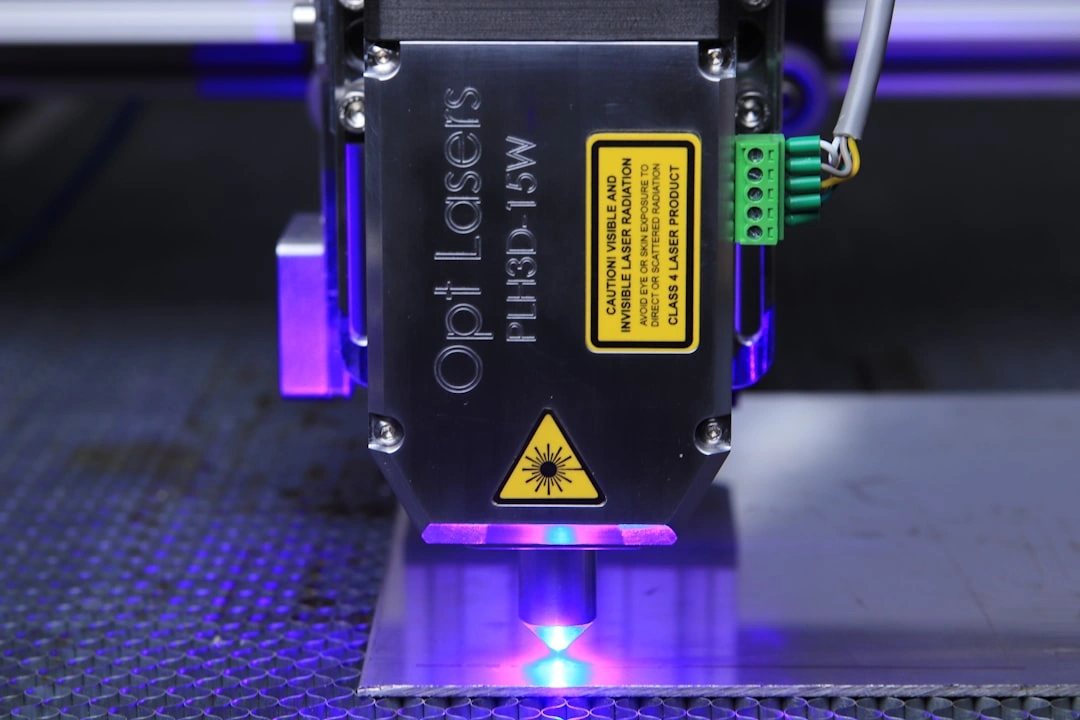
The technology behind this involves two primary types of lasers: Fiber and CO2. Fiber lasers have become the industry favorite for automotive work due to their high energy efficiency and incredible speed when processing thin to medium-gauge metals. They are particularly effective for the reflective materials often found in modern vehicles, such as aluminum and copper. CO2 lasers, while older technology, still hold their ground for thicker materials and specific non-ferrous alloys.
Achieving Sub-Millimeter Precision in Automotive Prototype Laser Cutting
When we talk about motorsports, "close enough" is never good enough. A suspension bracket that is off by a fraction of a millimeter can alter the entire handling characteristic of a vehicle. Modern Industrial CNC Laser Cutting in Dublin allows us to achieve tolerances as tight as ±0.002 inches.
This level of accuracy ensures that every hole, notch, and edge is exactly where the CAD model says it should be. Furthermore, laser cutting produces exceptionally clean, burr-free edges. This eliminates the need for secondary deburring or grinding, which not only saves time but also ensures that parts are "weld-ready" the moment they come off the machine.
Variant Management and Design Flexibility
Today’s market demands individualization. Whether it's a limited-edition performance model or a specific racing variant, manufacturers need to manage dozens of part versions. Laser cutting excels here because it allows for "late-stage integration." Instead of committing to a fixed die for a body panel, we can adjust the digital file to include specific antenna holes, bushings, or mounting points just moments before production begins.
By utilizing 5-axis CNC laser systems, we can process complex 3D geometries and pre-formed parts. This capability is a game-changer for car body construction, as it allows us to cut intricate contours into stamped parts without the need for expensive secondary trimming dies.
Material Versatility and Precision in Motorsports Fabrication
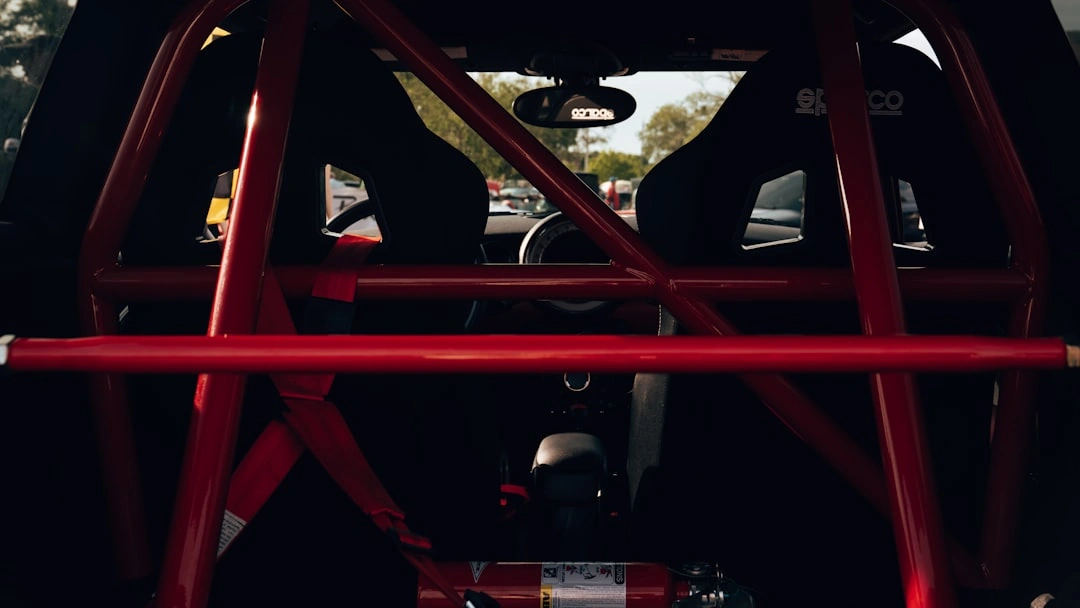
Motorsports prototypes aren't just made of mild steel anymore. Engineers are pushing the limits with advanced alloys like 4130 Chromoly for roll cages, 6061 Aluminum for lightweighting, and Press-Hardened Steel (PHS) for structural safety. Precision laser cutting for Ohio manufacturers must be able to handle these diverse materials without compromising their mechanical properties.
| Material Type | Laser Cutting | Waterjet | Plasma Cutting |
|---|---|---|---|
| Mild Steel | Excellent (Fast/Precise) | Good (No heat) | Fair (Large HAZ) |
| Aluminum | Excellent (High Speed) | Good (Slow) | Poor (Dross) |
| Chromoly | Excellent (Requires N2) | Good | Poor (Hardens edges) |
| Thick Plate | Good (up to 30mm) | Excellent | Good (Fast/Less precise) |
Challenges in Advanced Alloy Processing
One of the biggest hurdles in metal fabrication is the Heat Affected Zone (HAZ). When you apply heat to a metal, you risk changing its molecular structure, which can lead to brittleness or micro-cracks. In Ohio's prototype manufacturing sector, we combat this by using Nitrogen or High-Pressure Air as an assist gas.
Nitrogen-atmosphere cutting is essential for materials like stainless steel and Chromoly because it prevents oxidation. The result is a "mirror finish" on the cut edge that retains the material's original ductility. This is critical for parts that will later be TIG welded, as it ensures a clean, strong bond without the risk of weld contamination.
Lightweighting with High-Strength Materials
Every gram counts on the track. We use topology optimization—a mathematical approach that removes material from non-critical areas—to create parts that are lighter but just as strong. Automotive prototype laser cutting allows us to execute these complex, "web-like" designs that would be impossible to manufacture with traditional tools.
We are also seeing a rise in the use of 3rd Gen Aluminum-Lithium and multi-layer tubes. These materials help manufacturers meet 2026 weight reduction targets. By modulating wall thickness and using laser-cut patterns to remove up to 68% of a component's weight while maintaining stiffness, we help our partners achieve the "lightweighting multiplier effect."
Accelerating R&D: From Digital Twin to Physical Prototype
The traditional R&D cycle was slow: design, build a tool, stamp a part, find an error, rebuild the tool. With precision laser cutting services, that cycle is compressed into hours. There is zero hard tooling required. We take your digital twin—the CAD model—and translate it directly into machine code.
Optimizing Design for Automotive Prototype Laser Cutting
To get the most out of the process, designers should think in terms of "assemblies" rather than individual pieces. Here are a few techniques we use to speed up the build:
- Tab-and-Slot Design: We cut interlocking tabs and slots into parts so they "self-fixture." This eliminates the need for complex welding jigs and ensures the assembly is perfectly square.
- Bend Location Etching: The laser can etch precise lines where a tube needs to be bent. This removes the guesswork for the mandrel bender operator.
- Kerf Compensation: Our software automatically adjusts the laser path to account for the "kerf" (the width of the laser cut), ensuring the final part meets +/- 0.005" tolerances.
Reducing Lead Times in the 2026 Production Cycle
In the current manufacturing landscape, speed is the ultimate currency. Laser cutting is up to 30 times faster than traditional sawing. Because there is no tooling setup, we can switch from cutting a 4130 Chromoly chassis tube to a stainless steel exhaust bracket in about 120 seconds. This flexibility supports "just-in-time" fabrication, allowing motorsports teams to test a new wing mount on Tuesday and have the finished part on the car by Thursday.
Specialized Applications: E-Mobility and Structural Safety
As the industry shifts toward electrification, automotive prototype laser cutting has found a new home in e-mobility. EV platforms require massive aluminum battery enclosures and high-strength steel frame rails that must protect the battery during a crash.
Laser Cutting for Battery Production and E-Mobility
Battery production involves extremely thin, coated foils of copper and aluminum. Mechanical cutting can damage these coatings or cause "burrs" that lead to short circuits. Laser cutting provides a non-contact separation method that is incredibly clean. Furthermore, we use specialized process gases to discharge particles downward, preventing any contamination of the sensitive battery materials.
Structural Integrity and Crash Energy Absorption
Safety is paramount in motorsports. Laser-cut tubular frames have been shown to reduce body-in-white tolerances from ±1.2mm down to ±0.25mm. This precision leads to an 8% increase in torsional rigidity in some vehicle platforms. Because the laser cut is so clean and free of micro-cracks, the fatigue life of these components can be up to 300% better than stamped alternatives. This ensures that the safety cage—the "life insurance policy" of a race car—performs exactly as intended during an impact.
Frequently Asked Questions
How does laser cutting compare to stamping for prototypes?
Stamping is fantastic for making 100,000 identical parts, but the "hard tooling" (the dies) can cost tens of thousands of dollars and take months to build. For prototypes, laser cutting is the clear winner. It requires no physical tools—only a digital file—meaning you can change your design as many times as you want without incurring extra tooling costs. It’s faster, more flexible, and significantly cheaper for low-volume runs.
Can fiber lasers process reflective materials like copper and brass?
Yes! Older CO2 lasers struggled with reflective materials because the beam would bounce back into the machine and cause damage. Modern fiber lasers operate at a wavelength that is much more easily absorbed by metals like copper, brass, and aluminum. When combined with a high-power density and a Nitrogen atmosphere, fiber lasers produce a superior surface finish on these challenging materials.
What are the thickness limitations for automotive laser cutting?
While thickness limits depend on the laser's power, high-end systems (6kW to 12kW) can cut through carbon steel up to 30mm thick and aluminum up to 25mm. For most automotive prototyping needs—which usually involve sheet metal between 0.6mm and 6.35mm—the laser provides a mirror-like edge quality and incredibly fast piercing times using advanced algorithms.
Conclusion
At Hidaka USA, Inc., we believe that the future of motorsports is being built right here in Dublin, Ohio. Since 1989, we have combined our deep engineering roots with the latest in automotive prototype laser cutting technology to help our partners turn ambitious designs into reality.
Whether you are developing a next-generation EV platform, a high-performance Trophy Truck, or a precision-engineered railcar component, our ISO 9001 and AWS-certified team is ready to support you from the first prototype to mass production. We don't just cut metal; we provide end-to-end engineering solutions that ensure your project is built to the highest American-made standards.
For more information about how we can accelerate your next project, visit our automotive prototyping services page or explore our capabilities in mass production. Let's build the future together.