
A Practical Guide to Railcar Fabrication

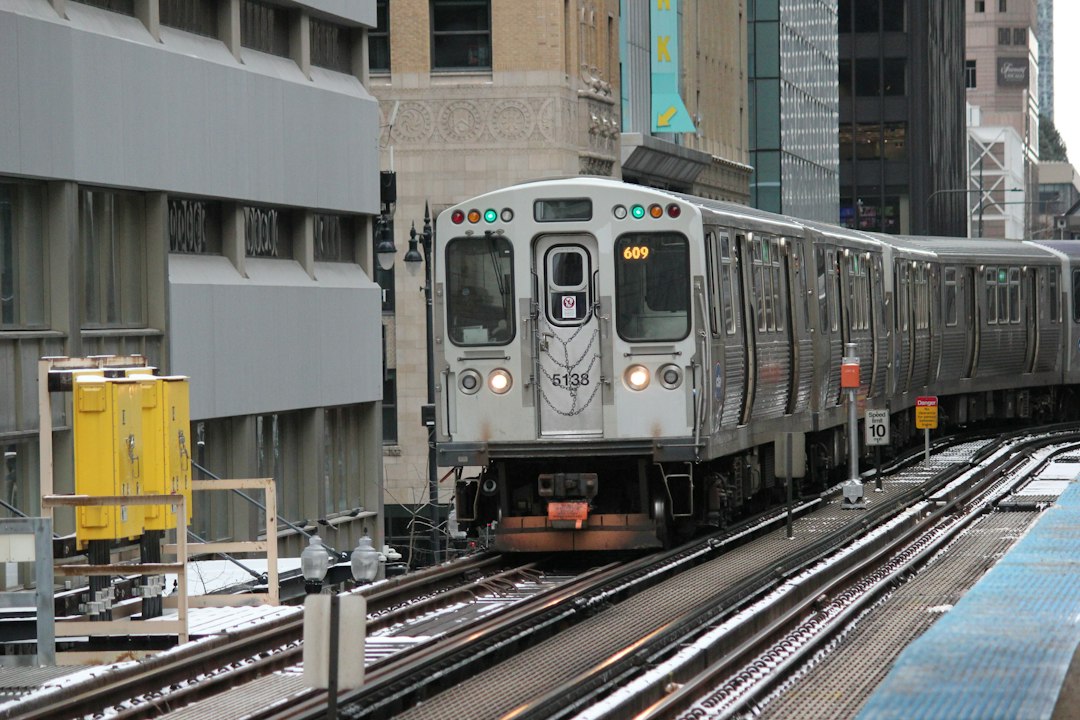
What Is Mass Transit Railcar Fabrication?
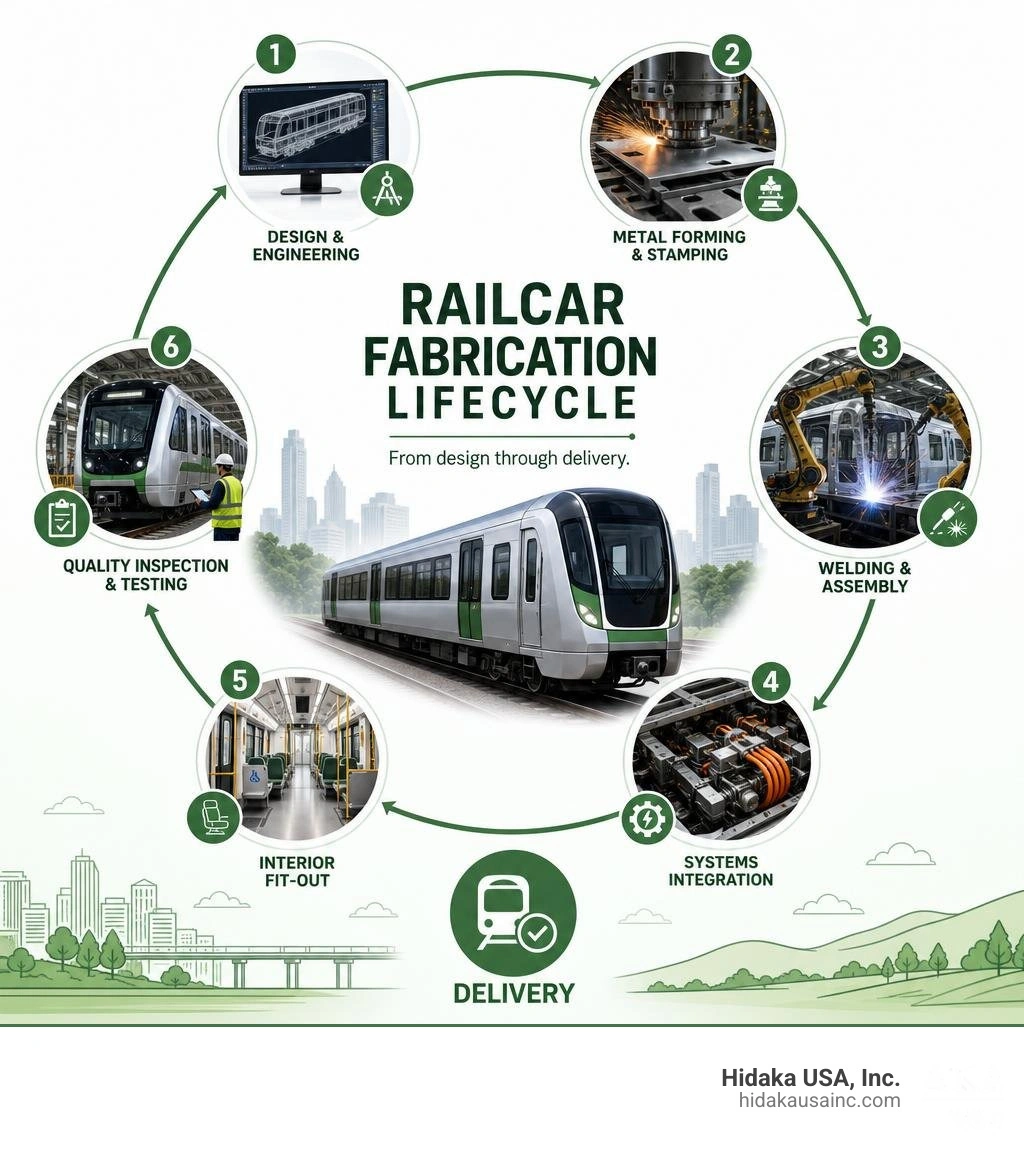
Mass transit railcar fabrication is the process of designing, forming, welding, assembling, and finishing passenger rail vehicles for commuter and urban transit systems.
Here is a quick overview of how the process works:
- Engineering and design - Engineers create specifications for car body shells, bogies, and interior systems.
- Metal forming and stamping - Steel and aluminum sheets are cut, pressed, and shaped into structural components.
- Welding and assembly - Body shells are welded together, often using AI-guided robotic systems for precision.
- Systems integration - Propulsion, electrical, braking, and HVAC systems are installed.
- Interior fit-out - Seating, doors, accessibility features, and passenger amenities are added.
- Quality inspection and testing - Completed cars are tested against safety, performance, and compliance standards before delivery.
The United States rail manufacturing supply chain spans more than 750 companies across at least 39 states. Federal investment through the Infrastructure Investment and Jobs Act (IIJA) — including $66 billion for passenger rail and $90 billion for public transit — has accelerated demand for domestically produced railcars and components.
I'm Yoshihiro Hidaka, founder of Hidaka USA, Inc., with over three decades of experience in precision sheet metal fabrication and mass production manufacturing that directly supports supply chains involved in mass transit railcar fabrication. That background gives me a practical, on-the-floor perspective on what it takes to produce high-quality components at scale — which is exactly what this guide is built on.
Simple mass transit railcar fabrication word guide:
The Landscape of Mass Transit Railcar Fabrication in the United States
The domestic landscape of passenger railcar manufacturing is undergoing a massive renaissance. As cities across North America seek to modernize their aging fleets, transit agencies are placing record-breaking orders. This surge in demand has placed a spotlight on the specialized industrial facilities capable of handling the heavy-duty engineering required for passenger rail.
Major Production Facilities and Assembly Hubs
Historically, the final assembly of passenger railcars has been concentrated in dedicated hubs across the country, where massive, specialized facilities manage the integration of structural shells and complex electrical systems.
Key assembly hubs include historic manufacturing sites in Upstate New York, such as Hornell (renowned for its century-long rail heritage) and Plattsburgh, as well as Yonkers. Other major assembly lines operate in Lincoln, Nebraska, and Springfield, Massachusetts. These facilities rely on a vast network of tier-one and tier-two component suppliers to keep their assembly lines moving. For example, prominent builders like Kawasaki Railcar Manufacturing operate critical final assembly plants in Yonkers, NY, and Lincoln, NE, delivering thousands of highly reliable subway and commuter cars to transit agencies nationwide.
While final assembly often occurs at these centralized hubs, the foundational metal components—the stamped brackets, structural reinforcements, and precision sub-assemblies—frequently originate in manufacturing centers like Ohio. At Hidaka USA, Inc., operating out of our 95,000-square-foot facility in Dublin, Ohio, we provide the essential sheet metal fabrication and engineering support that feeds these national assembly pipelines.
How Large-Scale Transit Contracts Shape the Industry
Large-scale public transit contracts serve as the economic engine for the entire fabrication supply chain. A prime example is the landmark $2.3 billion base contract awarded by New York’s Metropolitan Transportation Authority (MTA) to manufacture 316 state-of-the-art M-9A commuter rail cars for the Long Island Rail Road (LIRR) and Metro-North Railroad. The contract also includes an option for up to 242 additional cars valued at up to $1.5 billion, as detailed in the M-9A commuter rail contract details.
These multi-billion-dollar projects do more than just put new trains on the tracks; they reshape the industrial supply chain by:
- Driving Infrastructure Investment: Manufacturers build or expand advanced facilities, such as dedicated car body shell plants, to reshore manufacturing capabilities.
- Creating Skilled Jobs: Major contracts generate hundreds of direct manufacturing and engineering roles, alongside supporting thousands of supply chain positions.
- Providing Long-Term Demand: Multi-year production schedules allow component suppliers to confidently invest in advanced tooling, precision sheet metal prototyping, and workforce development.
Federal Policies and the Domestic Supply Chain
The structural health of the U.S. rail industry is deeply intertwined with federal policy. These regulations are designed to ensure that taxpayer-funded transit investments translate directly into domestic industrial capacity and local economic growth.
Buy America Requirements and IIJA Funding
The "Buy America" regulatory framework mandates that federally funded transit vehicles undergo final assembly in the United States and contain a high percentage of domestically produced components. This policy acts as a protective shield for American workers and fabricators, preventing the wholesale outsourcing of critical transit infrastructure.
The Bipartisan Infrastructure Investment and Jobs Act (IIJA) has amplified this effect by injecting historic levels of capital into the market, including:
- $66 billion specifically allocated for passenger rail development and modernization.
- $90 billion in dedicated funding for public transit systems.
This massive funding pipeline ensures that transit agencies have the capital to replace aging rolling stock, while Buy America rules ensure those dollars flow directly to domestic manufacturers and regional component fabricators.
The Geographic Reach of Rail Component Manufacturing
While final assembly is highly visible, the true backbone of the passenger rail industry is its extensive, nationwide supply chain. According to the U.S. Passenger Rail Manufacturing Report, more than 750 companies across at least 39 states manufacture components for passenger and transit rail. This network supports over 680,000 freight and passenger rail supply chain employees, alongside more than 820,000 public transit workers.
Ohio represents a crucial anchor in this industrial network. With deep roots in automotive and heavy industrial manufacturing, Ohio-based fabricators are uniquely equipped to meet the stringent quality standards of the rail industry. As a leading precision metal stamping manufacturer Ohio, we leverage our regional expertise to supply high-durability components that meet both Buy America standards and strict rail industry tolerances.
To understand how the regional supply chain is distributed, consider the primary hubs of component manufacturing:
| Region | Primary Manufacturing Focus | Key Contributions to Rail Industry |
|---|---|---|
| Midwest (Ohio, Michigan, Indiana) | Precision metal stamping, heavy fabrication, tooling, and structural brackets | Heavy-gauge chassis components, stamped body brackets, and precision prototypes |
| Northeast & Mid-Atlantic | Final vehicle assembly, bogie fabrication, and propulsion integration | Completed railcars, wheelsets, and traction motor assemblies |
| West Coast & South | Light rail assembly, composite interiors, and specialized electronics | HVAC systems, passenger seating, and digital control integration |
This geographic distribution means that a single railcar operating in New York or Chicago contains components sourced from fabricators across the Midwest, showcasing the collaborative nature of domestic manufacturing. Even local municipalities are preparing for this rail-centric future; for example, local leaders are laying the groundwork for expanded connectivity, as detailed in reports like Dublin prepares for future rail service - Spectrum News and the municipal planning resources at Rail – City of Dublin, Ohio, USA.
Step-by-Step Mass Transit Railcar Fabrication Processes
Fabricating a vehicle designed to carry thousands of passengers daily at high speeds requires an extraordinary level of precision. Every phase of production must balance structural integrity with weight optimization and strict safety compliance.
Precision Metal Stamping in Mass Transit Railcar Fabrication
The structural skeleton and outer skin of a modern railcar are built to withstand immense physical forces. This process begins with high-precision metal stamping and heavy-duty pressing.

- Car Body Shells: Typically fabricated from high-strength stainless steel or structural aluminum, these panels must be formed with perfect consistency to ensure aerodynamic efficiency and crashworthiness.
- Structural Brackets and Reinforcements: Internal structural ribs, door frame reinforcements, and under-car utility brackets require heavy-tonnage hydraulic presses to shape thick-gauge metals without compromising material integrity.
- Prototyping vs. Mass Production: Before committing to custom high volume stamping, engineers utilize advanced 3D laser cutting and soft tooling to prototype and physical-test components. This step is critical to validating the design for manufacturability (DFM) and ensuring long-term fatigue resistance.
Innovative projects across the sector highlight the importance of advanced fabrication. For example, specialized structural components developed for high-durability transit applications, such as those highlighted in the Fabrication Starts for High-Tech Fortis Railcar project, demonstrate the extreme engineering standards required for modern fleet components. To achieve these standards, manufacturers rely on comprehensive sheet metal stamping complete guide methodologies to control springback and maintain dimensional accuracy.
Advanced Welding and AI-Powered Assembly
Once the individual metal panels and structural members are stamped, they must be fused into a single, cohesive structure.
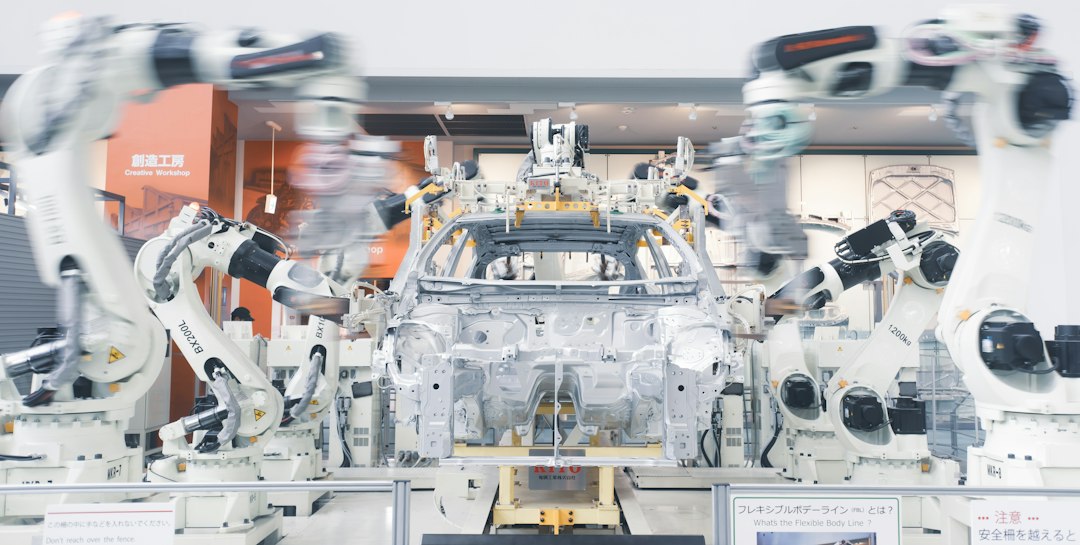
- AI-Powered Precision: Modern facilities are increasingly integrating AI-guided robotic welding arms. These advanced systems use real-time visual and sensor feedback to adjust welding parameters on the fly, maintaining precision within 1 millimeter across tens of thousands of welds on an 80-foot-long car body shell.
- AWS Certification: Despite the rise of automation, skilled manual welders remain indispensable. Complex joints, structural brackets, and critical safety welds require American Welding Society (AWS) certified technicians to guarantee structural performance.
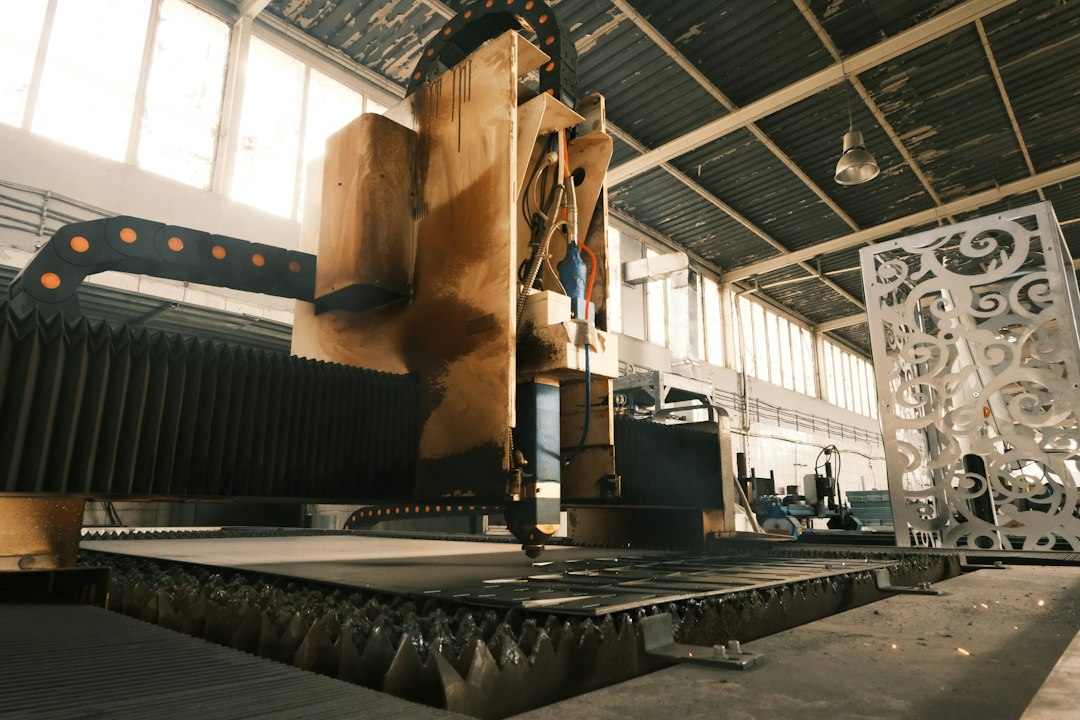
- Laser Cutting Integration: Multi-axis 3D laser cutting machines are used to trim welded structures and cut precise openings for windows, doors, and conduit routing, eliminating the mechanical stress associated with traditional physical shearing.
Modern Railcar Technologies and Component Engineering
Modern passenger railcars are far more than simple metal boxes on wheels. They are highly sophisticated, digitized transit environments designed to maximize passenger safety, accessibility, and comfort.
Passenger Amenities and Accessibility Features
Modern fleets are designed with a heavy focus on the passenger experience, incorporating amenities that were virtually non-existent in legacy rolling stock:
- Enhanced Accessibility: Extra-wide doors allow for rapid, bi-directional passenger boarding, while dedicated wheelchair spaces and fully compliant, accessible restrooms ensure comfortable travel for all passengers.
- Power and Connectivity: Integrated USB charging ports at every seat and robust onboard Wi-Fi systems keep modern commuters connected.
- Ride Quality: Advanced secondary suspension systems and sound-dampening insulation provide a quieter, smoother ride, reducing passenger fatigue over long commutes.
Cybersecurity and Smart Train Control Systems
As rail transit becomes increasingly automated and interconnected, the electronic architecture of the vehicle requires robust engineering:
- Electric Multiple Units (EMUs): Modern commuter fleets are shifting toward EMUs—self-propelled passenger cars that utilize distributed traction motors under individual carriages, eliminating the need for a separate, heavy locomotive.
- Propulsion and Signaling: Integrated propulsion systems communicate continuously with wayside signaling infrastructure to optimize acceleration, braking curves, and energy consumption.
- Cybersecurity Standards: With trains operating on digital networks, control systems must comply with strict federal cybersecurity standards to protect critical communication channels, passenger data, and automated braking systems from external interference.
Manufacturing Challenges, Workforce Development, and Future Outlook
While the influx of federal funding and historic contracts has created incredible opportunities, it has also highlighted structural challenges that the domestic manufacturing base must address.
Overcoming Capacity Constraints in Mass Transit Railcar Fabrication
The sudden, massive demand for new passenger railcars has stretched domestic manufacturing capacity to its limits. Overcoming these bottlenecks requires a strategic approach to production scaling:
- Mitigating Tooling Lead Times: Building heavy-duty stamping dies and welding fixtures can take months. Utilizing rapid prototyping and advanced engineering analysis helps optimize tooling designs before physical fabrication begins.
- Sourcing Specialty Components: Sourcing certified, transit-grade materials like specialized stainless steel alloys and traction motors requires a highly reliable, domestic supply chain.
- Scaling Production Sustainably: Rather than attempting to handle all fabrication in-house, major OEMs rely on certified contract manufacturing partners. By outsourcing specialized tasks like automotive stamping high volume and heavy-gauge metal forming to regional experts, the industry can scale up production without massive capital expenditures.
Comparing Modern EMUs to Legacy Rolling Stock
The push to replace aging fleets is driven by the stark operational contrast between modern vehicles and legacy rolling stock, such as the 40-year-old M-3 cars currently being phased out of active service:
- Reliability: Legacy cars suffer from frequent mechanical breakdowns, obsolete electrical parts, and high maintenance costs. Modern EMUs utilize modular component designs, allowing transit agencies to quickly swap out assemblies and minimize downtime.
- Sustainability: Modern railcars are constructed using lightweight materials and feature regenerative braking systems, which feed electricity back into the third rail or overhead catenary lines during deceleration, reducing overall energy consumption.
- Operational Efficiency: Modern train control systems permit closer headways (the time between trains), allowing transit agencies to run more frequent service and carry more passengers without building new tracks.
Frequently Asked Questions about Railcar Manufacturing
How does the Buy America Act affect railcar fabrication?
The Buy America Act requires that any passenger railcar funded by federal grants must undergo final assembly in the United States. Additionally, a set percentage of the components (by cost) must be manufactured domestically. This policy encourages global rail manufacturers to establish assembly facilities in the U.S. and actively partner with domestic component fabricators for stamped metal parts, electronics, and structural assemblies.
What are the primary materials used in modern railcar body shells?
Modern railcar body shells are primarily constructed from high-strength stainless steel or structural-grade aluminum. Stainless steel is highly valued for its exceptional crash energy management, corrosion resistance, and structural longevity. Aluminum is selected for lighter-weight transit applications, such as light rail and subways, where reducing vehicle weight is critical to minimizing energy consumption and track wear.
How do modern electric multiple units (EMUs) improve efficiency?
Unlike traditional trains pulled by a single locomotive, EMUs distribute their propulsion systems and traction motors across multiple passenger cars. This design allows for faster acceleration and deceleration, which is highly beneficial for commuter lines with frequent stops. Additionally, EMUs feature regenerative braking, which captures kinetic energy during deceleration and converts it back into electricity to power the train's auxiliary systems or feed it back into the power grid.
Partnering for Precision Railcar Fabrication
Building the next generation of mass transit infrastructure requires absolute precision, deep engineering expertise, and a commitment to quality that never wavers. At Hidaka USA, Inc., we bring more than 35 years of manufacturing excellence directly to the passenger rail supply chain.
Operating from our advanced facility in Dublin, Ohio, we specialize in both rapid prototyping and high-volume mass production. Our ISO 9001 and AWS-certified teams utilize state-of-the-art 3D laser cutting, heavy-tonnage hydraulic pressing, and robotic welding to deliver components that meet the most demanding structural and regulatory standards.
Whether you are developing initial prototypes to validate a new design or scaling up for a major production run, we are here to support your project from concept to delivery. Explore our mass production services to see how we can streamline your supply chain, or visit our prototyping capabilities to get started on your next design. For custom inquiries, visit our homepage or contact our engineering team directly. Let's build the future of transit together.
.jpeg)