An Essential Guide to Custom Prototype Engineering Solutions

Key Benefits of Custom Prototype Engineering Solutions
Bringing a new product from initial concept to high-volume market release can feel like walking a high-stakes tightrope. Custom prototype engineering solutions provide an essential safety net by bridging the gap between digital models and real-world mechanical performance. In modern high-precision manufacturing, reliant industries such as automotive, motorsports, and heavy rail transit cannot afford unexpected component failures during commercial rollout.
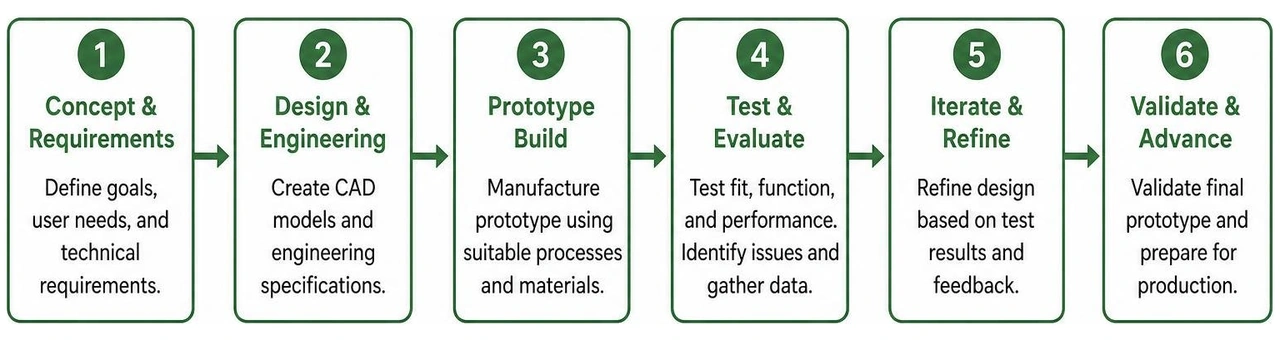
By building physical prototypes early in the product development lifecycle, engineering teams gain critical empirical data and insights that software simulations alone cannot deliver. Physical prototypes transform theoretical engineering into verified physical assets that can be stressed, measured, and optimized under actual operating conditions.
Rapid Design Validation and Iterative Development
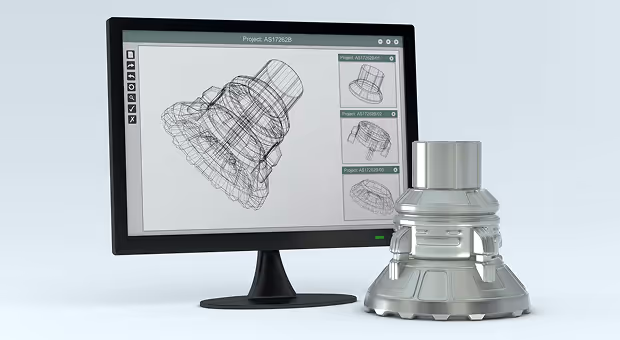
3D CAD modeling and Computer-Aided Engineering (CAE) software are fundamental tools for modern design, but virtual simulations cannot fully replicate physical fit, ergonomics, joint clearances, and functional behavior under multi-axial environmental stress. Physical prototypes allow mechanical engineers to detect subtle design flaws, evaluate complex assembly sequences, verify structural stiffness, and analyze thermal characteristics before investing significant capital in expensive permanent tooling.
By incorporating structured how to start prototyping project strategies, manufacturers perform comprehensive Design for Manufacturability (DFM) analysis during early iterations. DFM analysis scrutinizes geometric features, hole locations, bend radii, and wall thicknesses to ensure that a part can actually be fabricated cost-effectively using standard production machinery. Catching non-manufacturable geometries during early iterative phases drastically reduces engineering change orders (ECOs), shortens product development lead times, and prevents costly design headaches down the line.
Market Testing and Lowering Financial Risk
Committing directly to full-scale mass production without physical field testing carries massive financial risk. Tooling for stamped sheet metal or custom injection molding can easily require tens or hundreds of thousands of dollars in initial capital investment. Custom prototype engineering allows companies to conduct limited pilot production runs and manufacture low-cost aluminum or soft-steel tooling to build fully functional samples.
These early physical samples serve several vital strategic purposes:
- Validating real-world performance and gathering end-user feedback under operational conditions.
- Demonstrating tangible proof-of-concept prototypes to secure stakeholder approval and build investor confidence.
- Performing side-by-side empirical comparison of multiple material grades and geometric design variations simultaneously.
- Significantly mitigating the financial exposure of ordering costly permanent hard tooling prematurely.
Core Prototyping Technologies and Material Selection
The ultimate success of custom prototype engineering relies on choosing the right manufacturing technologies and material specifications tailored precisely to your application's operational demands.
Core Fabrication Technologies in Custom Prototype Engineering Solutions
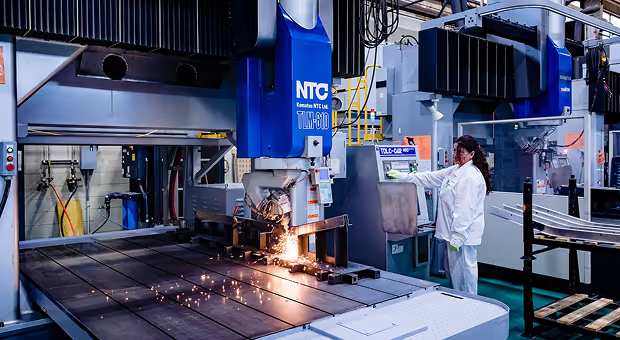
Modern specialized prototyping facilities deploy both advanced additive processes and heavy-duty subtractive technologies to build precision components. Subtractive methods like rapid prototyping cnc machining deliver extremely tight tolerances (+/-0.003 inches or better) required for complex structural geometry, precision mating surfaces, and high-performance engine or drivetrain components.
For structural metal assemblies and sheet metal parts, primary fabrication methods include:
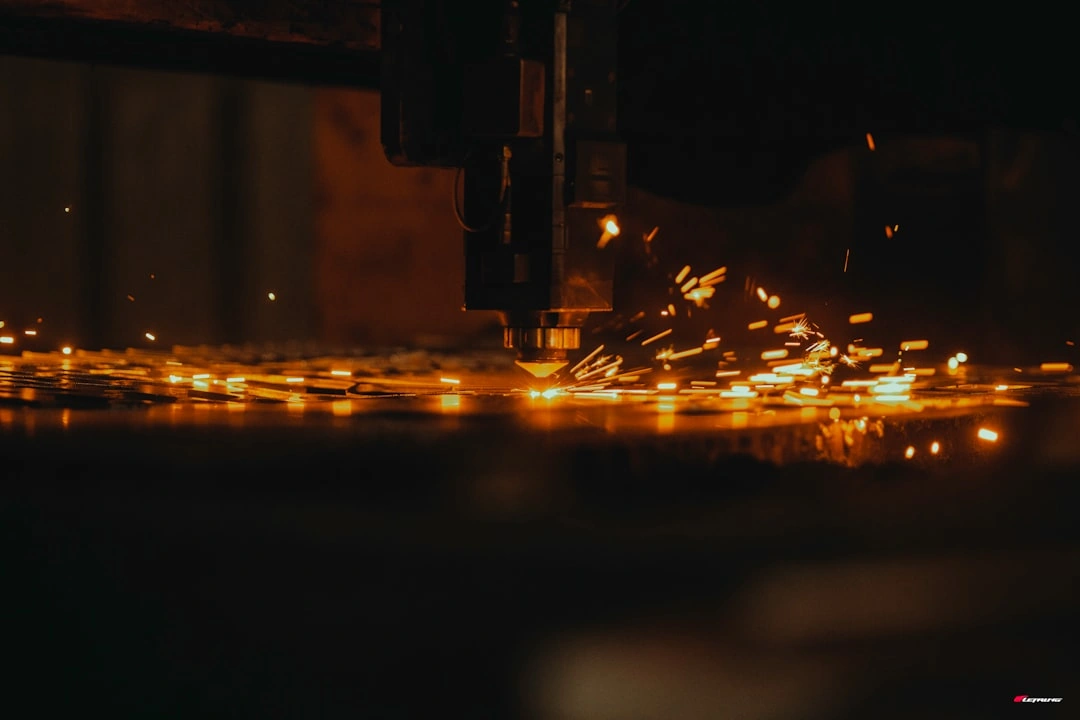
- 2D/3D Laser Cutting: Rapidly slices intricate flat blanks and complex 3D tubular stock with extreme edge quality, eliminating the need for custom hard stamping dies during initial prototyping.
- Hydraulic Pressing & Forming: Shapes metal plates and sheets into complex curved profiles, structural channels, and deep-drawn shells while assessing material springback and formability.
- Welding & Joining: Assembles multi-piece stamped or laser-cut components into unified, high-strength structural units using certified TIG, MIG, or robotic spot welding techniques.
Combining these core processes enables the rapid creation of complex laser cut prototype assemblies that are immediately ready for rigorous durability, crash, or vibration testing.
Selecting the Right Prototype Materials for Metal Parts
Material selection directly dictates structural integrity, total weight, fatigue resistance, thermal management, and raw manufacturing cost. Choosing materials that closely mirror end-use production specifications is critical for obtaining valid testing data.

When evaluating material options for structural metal components, engineers typically choose between:
- Aluminum Alloys: Excellent strength-to-weight ratio, highly corrosion-resistant, and lightweight. Ideal for high-speed machining, automotive structural components, and temporary aluminum prototype tooling.
- Stainless Steel: Delivers superior tensile strength, extreme heat resistance, and exceptional corrosion resistance for harsh environmental exposures and demanding structural chassis frameworks.
- Carbon Steel & Sheet Metal Alloys: Offers predictable formability, affordability, and robust mechanical strength. Perfect for stamped automotive body brackets, structural crossmembers, and heavy-duty mass-transit railcar sub-assemblies.
Mastering how to prototype metal parts empowers engineering teams to balance raw material costs with stringent end-use structural and functional performance requirements.
Selecting the Right Engineering Partner and Certifications
Partnering with the right prototype manufacturing supplier is just as crucial as the underlying product design itself. An experienced contract manufacturer acts as a seamless extension of your internal engineering team, bringing deep practical manufacturing knowledge to the development process.
Quality Standards and Certifications in Custom Prototype Engineering Solutions
When evaluating custom engineering providers, certified quality management systems serve as an essential filter to ensure safety, reliability, and precision. Crucial certifications include:
- ISO 9001 Certification: Guarantees strict internal quality management systems, rigorous process repeatability, formal documentation, and continuous process improvement across all prototype operations. For broader context, the International Organization for Standardization explains ISO 9001 quality management standards and their role in consistent quality performance.
- AWS Certification: Ensures that structural welding operations strictly adhere to American Welding Society standards, guaranteeing joint integrity, structural safety, and expert craftsmanship.
Working with an experienced provider offering advanced prototype engineering services ensures total compliance with strict industrial standards and rigorous regulatory requirements.
Evaluating Engineering Capabilities, Timelines, and Costs
Beyond standard quality certifications, engineering teams should evaluate potential partners based on geographic proximity, communication transparency, and comprehensive in-house manufacturing capabilities. Facilities located near major industrial hubs, such as Ohio in the American Midwest, significantly reduce logistics risks, simplify site visits, and accelerate physical delivery.
Key evaluation criteria for prospective prototyping partners include:
- Interactive DFM Feedback: Rapid automated or engineer-led design reviews provided early in the quoting stage to catch manufacturing conflicts before production begins.
- Rapid Lead Time Execution: The capability to fabricate simple prototype tools or short-run components in ultra-fast turnarounds (ranging from 1 to 7 business days for simple geometries).
- Multi-Axis Machining & Tooling Setup: On-site equipment capable of handling complex 5-axis prototype machining, 3D laser trimming, and custom press forming without relying on third-party subcontractors.
Partnering with an experienced vendor that provides interactive prototype machining helps keep early-stage development budgets under tight control while protecting aggressive project launch schedules.
Transitioning Full-Scale from Prototype to Mass Production
A frequent structural bottleneck in product development occurs when the transition between prototype vendors and full-scale production facilities fails. A functional prototype built as a one-off by hand may prove practically impossible to manufacture repeatedly at high production volumes if material behavior, tolerance stackup, and tooling constraints were overlooked.
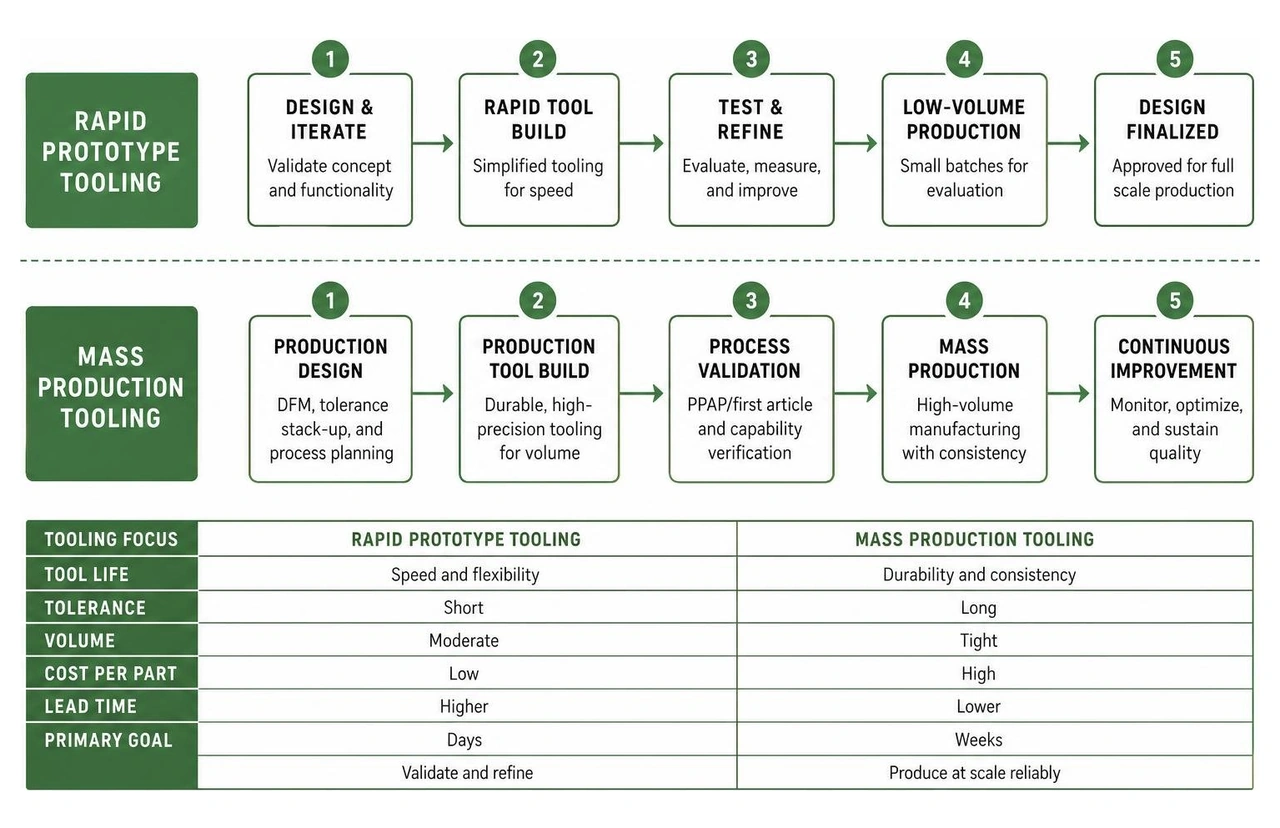
A successful commercial scale-up strategy requires designing with mass production in mind from day one. At Hidaka USA, Inc., our modern 95,000 square foot manufacturing facility in Dublin, Ohio integrates specialized prototype engineering directly with high-volume mass production lines.
By leveraging shared quality controls, heavy-duty hydraulic pressing, 2D/3D precision laser cutting, and robotic welding across both development and mass production phases, we ensure a seamless handoff for intricate automotive components, high-performance motorsports assemblies, and mass-transit railcars. For early-stage companies and global OEMs alike, exploring metal prototyping for startups establishes a reliable, risk-mitigated pathway toward high-volume commercialization.
Frequently Asked Questions About Custom Prototyping
What is the typical timeline and cost for developing a custom prototype?
Prototype development timelines and overall project costs vary based on component geometry, material grade, tolerance requirements, and temporary tooling needs. Simple laser-cut flat blanks or rapid aluminum-tooled press components can often be produced within 1 to 7 business days. Complex stamped metal assemblies requiring multi-axis CNC machining, specialized forming dies, and certified welding fixtures require additional engineering time. Utilizing low-cost rapid soft tooling minimizes upfront expenditure before committing capital to permanent high-volume production dies.
What industries rely most on custom prototype engineering services?
While medical devices, aerospace, defense, and consumer electronics utilize prototyping, industries demanding extreme structural integrity and strict safety compliance rely most heavily on custom metal prototyping. Key industries include:
- Automotive Sector: Custom body brackets, chassis structural reinforcements, crash structures, and engine bay components.
- Motorsports: High-performance lightweight structural components designed to withstand severe vibration, elevated thermal stress, and high mechanical loads.
- Mass-Transit Railcars: Heavy-duty structural framing, door mechanisms, crossmembers, and interior mounting brackets requiring certified welding and strict compliance with transit safety regulations.
How do custom engineering solutions prevent manufacturing defects during mass production?
Custom prototype engineering prevents costly downstream defects by uncovering physical and geometric flaws before permanent production dies are manufactured. Through interactive DFM analysis, 3D stress simulation, physical fit checks, and tolerance stackup verification, engineers identify clearance issues early. Running pilot prototype runs enables technicians to optimize metal forming parameters, evaluate material springback, and refine robotic welding paths, guaranteeing consistent quality when scaling up to mass production.
Conclusion
Custom prototype engineering solutions form the foundational pillar of modern manufacturing success. By unifying 3D CAD design validation, early DFM analysis, precision laser cutting, hydraulic metal forming, and certified quality controls, engineering teams significantly reduce financial risk and accelerate product time-to-market.
At Hidaka USA, Inc., we leverage decades of specialized expertise from our 95,000 square foot facility in Dublin, Ohio to guide your complex metal projects seamlessly from initial prototype validation through to high-volume mass production.
Ready to validate your design and optimize your custom metal components for production? Contact our engineering team today or visit our Hidaka USA, Inc. Home page to discuss your project requirements and request a technical consultation.