In Depth Guide to Choosing a Reliable Automotive Prototype Development Company

Why Choosing the Right Automotive Prototype Development Company Matters
Partnering with the right automotive prototype development company is one of the most important decisions a manufacturer can make before committing to mass production. A poor choice can lead to costly delays, quality failures, and confidentiality risks — all of which directly threaten your production schedule and competitive edge.
Here is what a reliable automotive prototype development company typically offers:
- Complete vehicle or component prototyping — from concept and design through to functional, testable parts
- Multi-powertrain capability — supporting ICE, BEV, PHEV, and hydrogen-based systems
- Structural and sheet metal fabrication — including body-in-white (BIW) assemblies and crash-relevant components
- Quality and dimensional inspection — using tools like coordinate measuring machines (CMM) and weld integrity testing
- Certifications — such as ISO 9001 to ensure consistent quality management
- Commissioning and testing support — including functional safety verification and ADAS calibration
- Scalable services — from single prototypes to pre-series and short-run production
The automotive prototyping industry has evolved significantly. Modern engineering firms now integrate virtual simulation tools alongside physical builds. Advanced simulation labs, for example, allow engineers to test vehicle dynamics before a single physical part is made. Yet physical prototyping remains irreplaceable for validating structural integrity, crash performance, and real-world manufacturing tolerances.
For mid-sized manufacturers under pressure to meet tight deadlines without sacrificing accuracy, choosing the right partner is not just a procurement decision — it is a strategic one.
I'm Yoshihiro Hidaka, founder of Hidaka USA, Inc., and I have spent more than three decades building and operating an automotive prototype development company focused on precision sheet metal fabrication for OEMs and Tier 1 suppliers. In this guide, I'll walk you through everything you need to know to make a confident, informed decision when selecting your next prototyping partner.

Simple automotive prototype development company glossary:
The Critical Role of Physical Prototyping and Engineering Analysis in Modern Automotive Engineering
In the landscape of July 2026, vehicle engineering has reached unprecedented levels of complexity. While digital tools have revolutionized how we design cars, physical prototyping remains the ultimate truth teller in automotive development.
Physical models allow us to validate complex vehicle dynamics, assess how lightweight materials behave under stress, and verify real-world assembly tolerances. Without a physical prototype, finding out that a stamped frame member doesn't align correctly with a cast aluminum suspension mount during assembly is an incredibly expensive mistake.

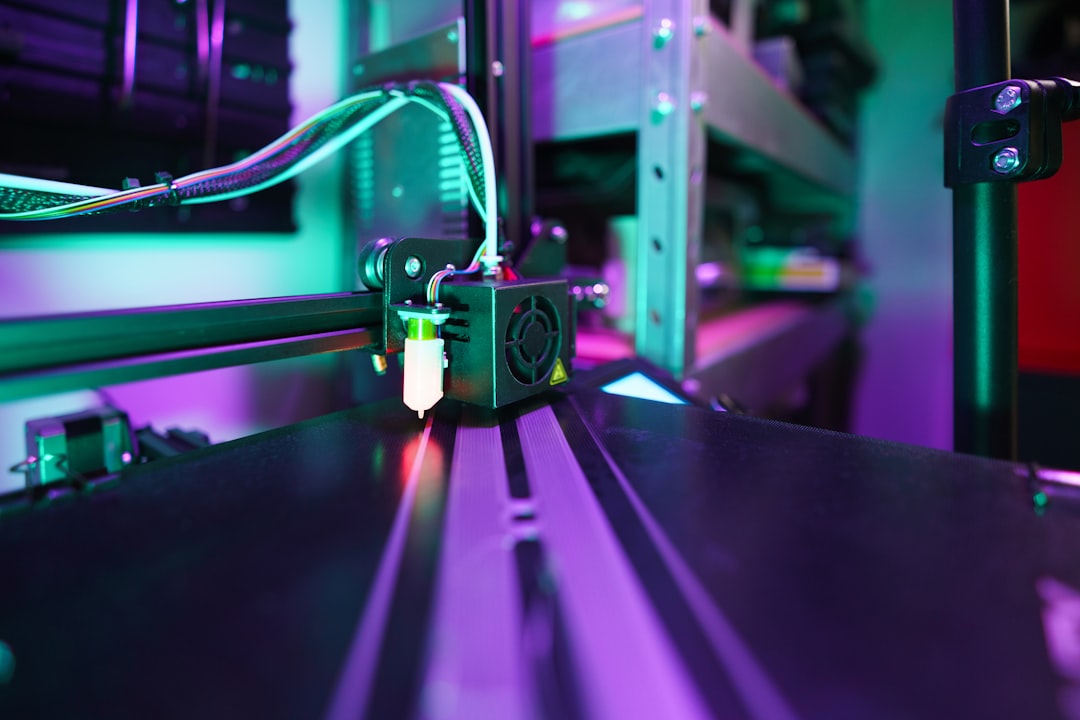
Advanced engineering analysis, such as finite element analysis (FEA), helps us predict material behaviors, but physical testing verifies those models. To bridge the gap between design and physical validation, we utilize a variety of rapid prototyping processes to quickly put functional parts into the hands of test engineers.
How Automotive Prototyping Differs from Other Industries
Prototyping a smartphone or a home appliance is vastly different from building automotive prototypes. In the automotive world, the stakes are incredibly high. Prototypes must meet strict regulatory compliance, undergo brutal crash testing, and satisfy rigorous functional safety standards before a vehicle can ever be cleared for the road.
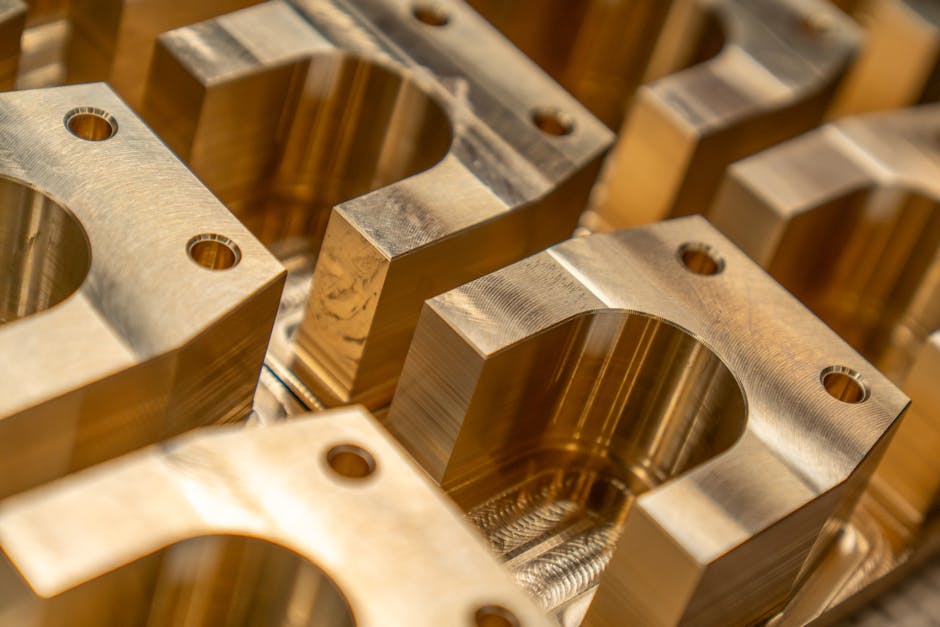
Every structural component we build must perform exactly as intended under load to protect occupants. This is why automotive prototypes require specialized, high-fidelity manufacturing methods. We offer advanced prototype engineering services that focus heavily on structural integrity, ensuring that every bracket, frame rail, and pillar behaves identically to its future mass-produced counterpart.
The Balance Between Virtual Simulation and Physical Prototyping
Virtual simulation has become a key driver in reducing development timelines. Advanced simulators use powerful dynamic simulation platforms to let humans test vehicle functions and driving dynamics before the physical vehicle is built. This "drive first, build later" philosophy helps refine human-machine interfaces (HMI) and suspension geometry early on.
However, virtual simulations are only as accurate as the mathematical models behind them. Physical validation remains necessary to verify structural testing, crashworthiness, and complex thermal management. The most successful programs find a balance: using virtual tools to eliminate early-stage design flaws, and then transitioning to physical prototype validation to confirm safety and durability.
Key Stages of Component Development Managed by an Automotive Prototype Development Company
Developing an automotive component from a digital CAD file to a fully validated physical part requires a highly coordinated, multi-stage workflow.

An experienced automotive prototype development company oversees everything from initial tooling design to the final assembly of body-in-white (BIW) structures and chassis components.
From Concept Design to Body-in-White (BIW) and Structural Prototyping
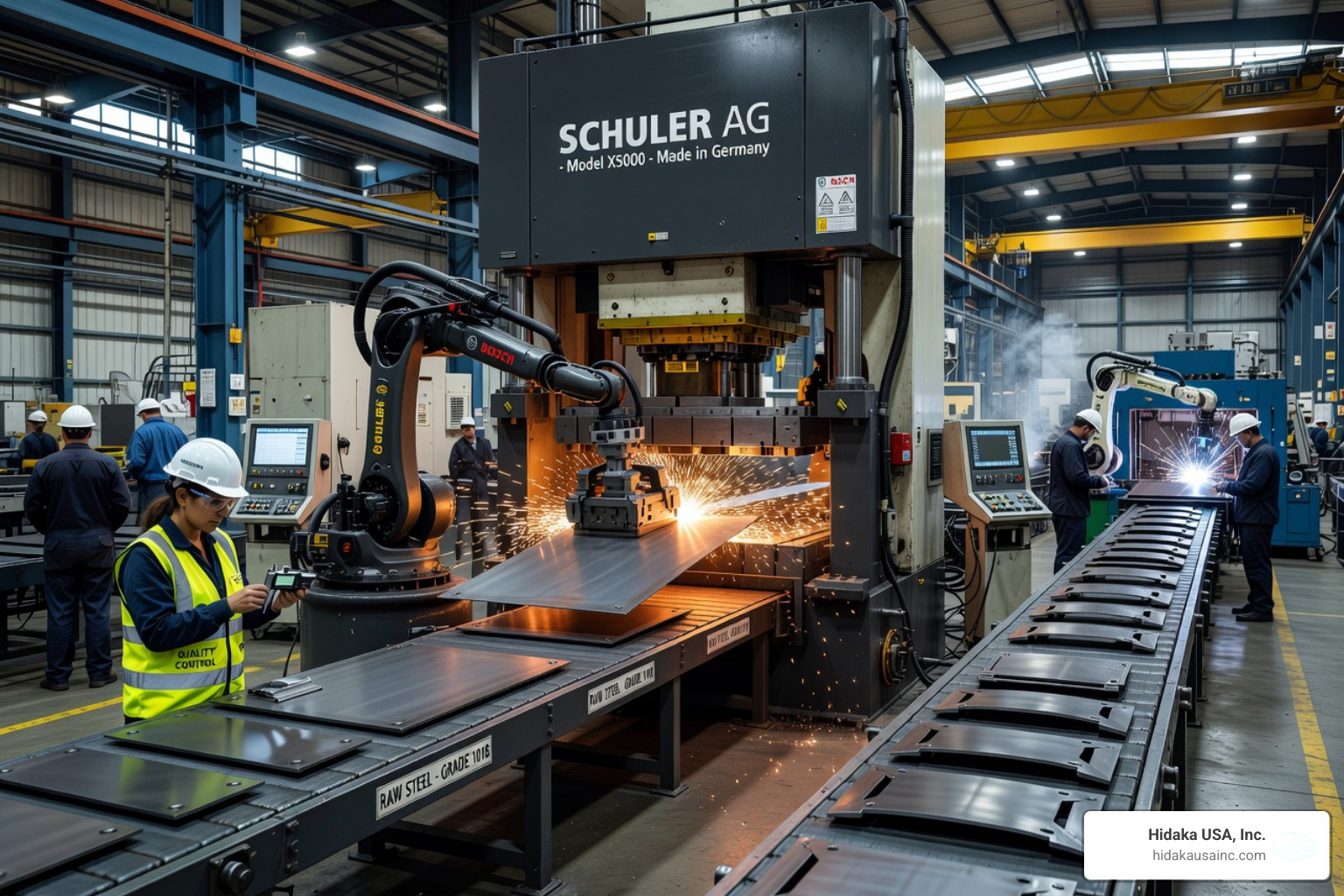
The journey begins in the concept phase, where digital designs are optimized for manufacturing. Once the design is frozen, we transition to body-in-white (BIW) and structural prototyping. This phase relies heavily on precision sheet metal stamping and 3D laser cutting to form complex, high-strength steel and aluminum components.
To achieve the correct geometry without investing in high-volume production dies, we use specialized prototype sheet metal fabrication techniques, such as low-volume hydraulic press forming. This allows us to deliver structural components that match the exact material properties and dimensional tolerances required for physical crash and durability testing.
Metal Component Prototyping for ICE, BEV, PHEV, and Hydrogen Systems
Modern automotive prototype companies must be highly adaptable to handle the diverse array of powertrains on the market in 2026. Whether a project involves internal combustion engines (ICE), battery electric vehicles (BEV), plug-in hybrids (PHEV), or hydrogen fuel cells ($H_2$), each technology presents unique engineering challenges:
- BEVs and PHEVs: Require heavy-duty, crash-resistant battery enclosures, high-voltage mounting brackets, and complex thermal management cooling plates.
- Hydrogen Systems: Demand specialized structural frames to safely cradle high-pressure storage tanks.
- ICE Systems: Continue to require high-precision engine brackets, exhaust assemblies, and structural mounts.
Having a partner that can seamlessly pivot between these technologies ensures that your prototype assembly integrates perfectly with your specific powertrain architecture.
Beyond Assembly: Quality Control, Inspection, and Weld Testing
Building a prototype is only half the battle; proving its accuracy is what makes it valuable. To ensure every part meets the OEM’s strict specifications, we implement comprehensive quality control measures.
Using high-precision Coordinate Measuring Machines (CMM) and 3D scanning, we verify the dimensional accuracy of every component. For structural assemblies, checking weld integrity is paramount. We utilize non-destructive and destructive weld testing to ensure that every joint can withstand the extreme forces experienced during track testing. Following these automotive prototyping best practices guarantees that your prototype yields reliable, actionable test data.
Essential Certifications and Standards for an Automotive Prototype Development Company
In the automotive industry, quality and security are non-negotiable. When choosing an automotive prototype development company, checking their certifications is one of the easiest ways to verify their commitment to industry standards.
Standards Required for an Automotive Prototype Development Company
A reliable prototype partner should hold key certifications that demonstrate their technical capability and operational discipline:
- ISO 9001: This international standard for quality management systems ensures that the company follows consistent, repeatable processes from design to delivery. You can review the official ISO 9001 quality management standard for more context on its purpose and requirements. There are numerous ISO 9001 prototyping benefits, including improved process efficiency and reduced defect rates.
- AWS Certification: American Welding Society (AWS) certification is critical for any company handling structural welding. It helps ensure that the technicians welding your chassis or battery box are skilled and qualified to perform code-compliant welds.
- Information Security (e.g., TISAX): Protecting intellectual property is vital when handling pre-release vehicle designs. Trusted prototype partners implement strict information security management systems to safeguard proprietary CAD data.
Adhering to these quality control ISO standards helps ensure that your project is handled with the highest level of professionalism and security.
How to Choose the Right Automotive Prototype Partner
Selecting a prototyping partner is a major decision that directly affects your product's time-to-market. Whether you are an established OEM or an electric vehicle startup, you need a partner who can scale with your needs and provide valuable design-for-manufacturability (DFM) feedback. If you are ready to take the first step, understanding how to start prototyping project efficiently will save you significant time and effort.
Selecting the Right Automotive Prototype Development Company for Your Project
When evaluating potential partners, consider these three critical factors:
- Project Complexity: Does the company have the engineering depth to handle complex structural assemblies, or do they only specialize in simple bracket fabrication?
- Production Volume Capabilities: Can they transition your project from a single hand-built prototype to a pre-series run of 50 to 100 units?
- Supplier Footprint: Working with a partner located close to major automotive hubs—such as our facility in Dublin, Ohio—simplifies logistics, speeds up communication, and allows your engineering team to easily conduct in-person design reviews.
Evaluating Technical Capabilities, Timelines, and Cost-Reduction Strategies
A great prototype partner doesn't just build what is on the drawing; they help you optimize it. Look for companies that offer rapid tooling options to keep lead times short and initial tooling costs manageable.
By engaging your prototype supplier early, you can implement smart prototyping cost reduction strategies, such as modifying part geometries to reduce material waste or selecting simpler forming methods that don't compromise functional performance.
Frequently Asked Questions about Automotive Prototyping
What are the typical costs and timelines for building a functional metal prototype?
The cost and timeline for a functional metal prototype vary widely based on part size, geometry, and material. A simple stamped bracket might take just a few days to produce, while a complete, multi-component structural assembly like a BIW sub-frame can take several weeks. Utilizing rapid tooling and laser-cutting processes helps minimize upfront tooling expenses and keeps lead times as short as possible.
How do prototype companies ensure the safety and durability of EV battery enclosures?
EV battery enclosures must protect high-voltage cells from road debris, moisture, and crash impacts. Prototype companies ensure safety by using high-strength alloys, precision hydraulic forming to eliminate micro-cracks, and advanced robotic welding. The completed enclosures undergo rigorous leak testing, structural load testing, and weld inspections to verify they are completely sealed and structurally sound.
What is the difference between an appearance model and a functional prototype?
An appearance model focuses purely on visual fidelity and ergonomics. It is often used for design sign-offs, wind tunnel testing, or marketing events, and is typically made of easily machinable plastics or resins. A functional prototype, on the other hand, is built from production-grade metals and is designed to undergo rigorous mechanical testing, thermal cycling, and crash validation.
Conclusion
Choosing the right automotive prototype development company is the bridge between a brilliant concept and a successful, road-ready vehicle. At Hidaka USA, Inc., based in Dublin, Ohio, we have spent decades refining our metal prototyping and low-volume manufacturing capabilities to help OEMs and startups bring their designs to life.
From advanced 3D laser cutting and hydraulic press forming to AWS-certified welding and strict ISO 9001 quality control, we provide the precision and reliability your project demands. When you are ready to transition from prototype to production, we are equipped to support your journey every step of the way.
Ready to bring your next automotive project to life? Partner with us to ensure your components are engineered to perfection.
- Explore our prototyping capabilities: Partner with Hidaka USA for your prototyping needs
- Scale up your production: Learn about our mass production services
- Get in touch with our engineering team: Contact Hidaka USA today